Allen Sterling & Lothrop / Journal
Understanding the Gear Valve Body in Automotive Applications
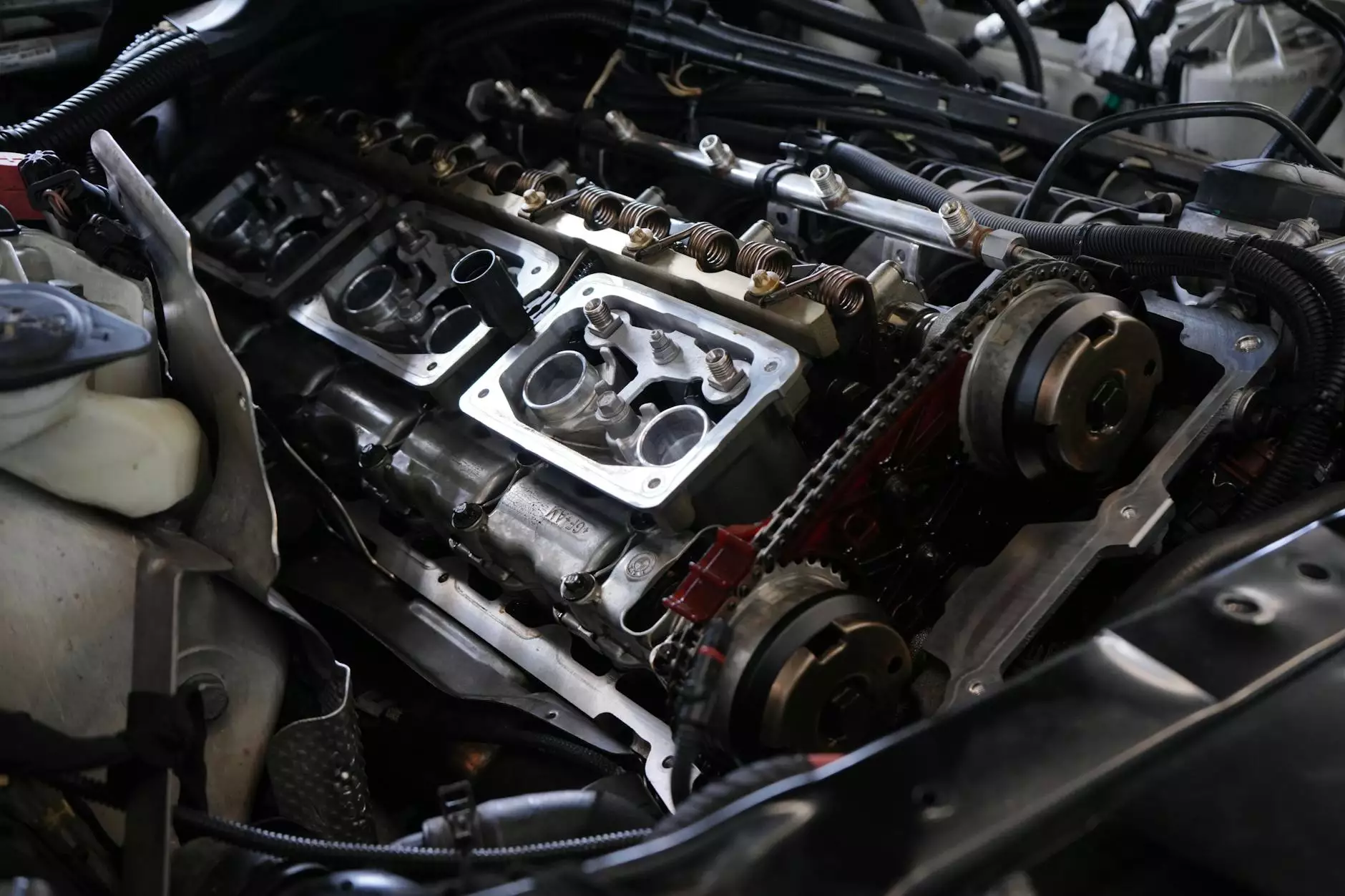
The automotive industry is continually evolving, driven by innovations and technological advancements. One integral component behind this evolution is the gear valve body, a vital part of many vehicles' transmission systems. In this article, we will delve into the critical role of the gear valve body, illuminating its functions, maintenance requirements, and impact on vehicle performance. Whether you are an automotive enthusiast or a professional, understanding this component can enhance your knowledge of vehicles and their operations.
What is a Gear Valve Body?
The gear valve body is a crucial element in an automatic transmission. It serves as the central hub for hydraulic pressure control, allowing the transmission to shift gears smoothly and efficiently. Specifically, the valve body directs the flow of hydraulic fluid to various clutches and bands within the transmission system based on input from the vehicle's engine control unit (ECU). This precise control is necessary for achieving ideal performance, enhancing fuel efficiency, and providing a better driving experience.
Functions of the Gear Valve Body
The gear valve body performs several essential functions:
- Hydraulic Fluid Distribution: It ensures that hydraulic fluid is appropriately delivered to the right components at the right time, enabling smooth gear transitions.
- Pressure Regulation: The valve body helps regulate pressure within the transmission, which is crucial for maintaining optimal performance and avoiding potential damage.
- Gear Shift Control: It plays a pivotal role in controlling when and how the gears shift, ensuring the engine operates efficiently and effectively under different driving conditions.
- Sensing and Feedback: Equipped with various sensors, the valve body provides real-time feedback to the ECU for constant adjustments to improve shifting dynamics.
The Importance of the Gear Valve Body in Modern Automobiles
Modern vehicles rely heavily on the seamless operation of automatic transmissions. Therefore, the gear valve body is indispensable in ensuring that the complex systems within automatic transmissions work harmoniously. Here are some key reasons highlighting its importance:
1. Enhancing Performance
A properly functioning valve body contributes significantly to an automobile's performance. By allowing for smooth and timely gear shifts, it enhances acceleration and overall drivability. For example, the ability to quickly adapt to driving conditions, such as rapid acceleration or incline, can affect how well the vehicle responds, making the gear valve body a pivotal component.
2. Fuel Efficiency
With the growing emphasis on fuel economy, the gear valve body's role in optimizing shifting patterns becomes clear. Effective hydraulic control enables the engine to operate at its most efficient RPM range, contributing to better fuel efficiency. By understanding how the valve body functions, manufacturers can design vehicles that maximize miles per gallon (MPG) ratings without compromising performance.
3. Driver Comfort and Experience
One of the primary objectives in automotive engineering is to enhance the driver and passenger experience. A well-tuned valve body allows for smoother, quieter gear changes, minimizing the harshness often associated with traditional manual shifting. By smoothening the transition between gears, vehicles provide a more comfortable ride.
Common Issues with Gear Valve Bodies
Like any other component in a vehicle, the gear valve body can encounter problems over time. Recognizing these issues early can prevent costly repairs and ensure the longevity of the transmission system. Here are some common issues associated with gear valve bodies:
- Worn Out Components: Over time, internal components within the valve body can wear out, leading to erratic shifting or slipping.
- Clogged Passages: Debris and contaminants can build up in the valve body, clogging hydraulic passages and affecting fluid flow and pressure.
- Faulty Sensors: The sensors that provide feedback to the ECU may malfunction, leading to improper shifting patterns and compromised performance.
- Fluid Leaks: A gear valve body could develop leaks over time, leading to insufficient hydraulic fluid levels and reduced performance.
Maintenance and Care for Gear Valve Bodies
Proper maintenance can extend the life of the gear valve body and enhance overall vehicle performance. Here are some essential maintenance tips:
1. Regular Fluid Changes
One of the most critical maintenance tasks is to ensure that the transmission fluid is changed regularly. Old or contaminated fluid can lead to insufficient lubrication and ineffective hydraulic pressure control.
2. Inspections and Diagnostics
Routine inspections can help identify potential problems before they manifest into severe issues. Pay attention to unusual noises or shifting patterns and consult professionals for diagnostics.
3. Sensor Validations
Since sensors play a crucial role in the functionality of the valve body, regularly verifying their condition can help maintain optimal performance.
4. Cleaning the Valve Body
Periodically, it may be beneficial to clean the valve body to remove any buildup of debris or contaminants. This task typically requires professional service, as disassembling the transmission can be complex.
Upgrading Your Gear Valve Body: When and Why
For performance enthusiasts and those looking to enhance their vehicle's capabilities, upgrading the gear valve body can be a wise investment. Here are some scenarios where upgrading might be beneficial:
- Performance Enhancements: If you’ve upgraded your engine for increased power, a high-performance valve body can help handle the increased load more effectively.
- Racing Applications: For those involved in motorsports, an upgraded valve body can provide faster shifts under demanding conditions, improving lap times and overall performance.
- Restorations: Classic cars often benefit from upgraded components, including the valve body, to meet modern performance standards.
Conclusion: The Pivotal Role of Gear Valve Bodies in Automotive Evolution
In summary, the gear valve body is an essential component that plays a significant role in the functionality of automatic transmissions. By understanding its functions, recognizing potential issues, and adhering to proper maintenance practices, vehicle owners can ensure their automobiles operate at peak performance. Additionally, for those looking to enhance their vehicle’s capabilities, investing in a high-performance gear valve body can lead to increased power, improved fuel efficiency, and an overall better driving experience.
Whether you are seeking to optimize your vehicle for daily driving or performance applications, the knowledge and insights gained from this article can serve as a valuable resource. At shenghaiautoparts.com, we provide a wide array of quality automotive parts and supplies, including gear valve bodies, to help keep your vehicle running smoothly and efficiently.